Remembrance is resurrection.
An excerpt of my audiobook for As Long As You Need: Permission to Grieve. On remembering the dead and bringing them back to life.
Remembrance is resurrection.
An excerpt of my audiobook for As Long As You Need: Permission to Grieve. On remembering the dead and bringing them back to life.
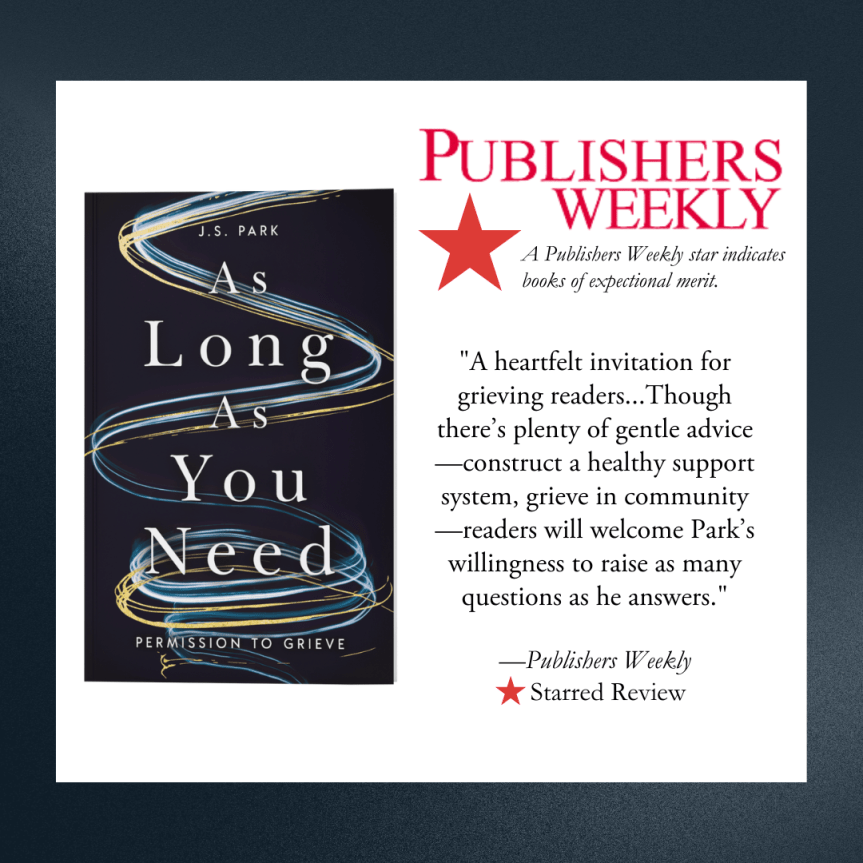
I am very happy to share that my book As Long As You Need received a star review by Publishers Weekly. I’m told this is rare, given to about 5% of tens of thousands of books.
I’m really, truly, sincerely blown away.
Book releases on April 16th. 🙌
AsLongAsYouNeedBook.com
—
Here is the book trailer:
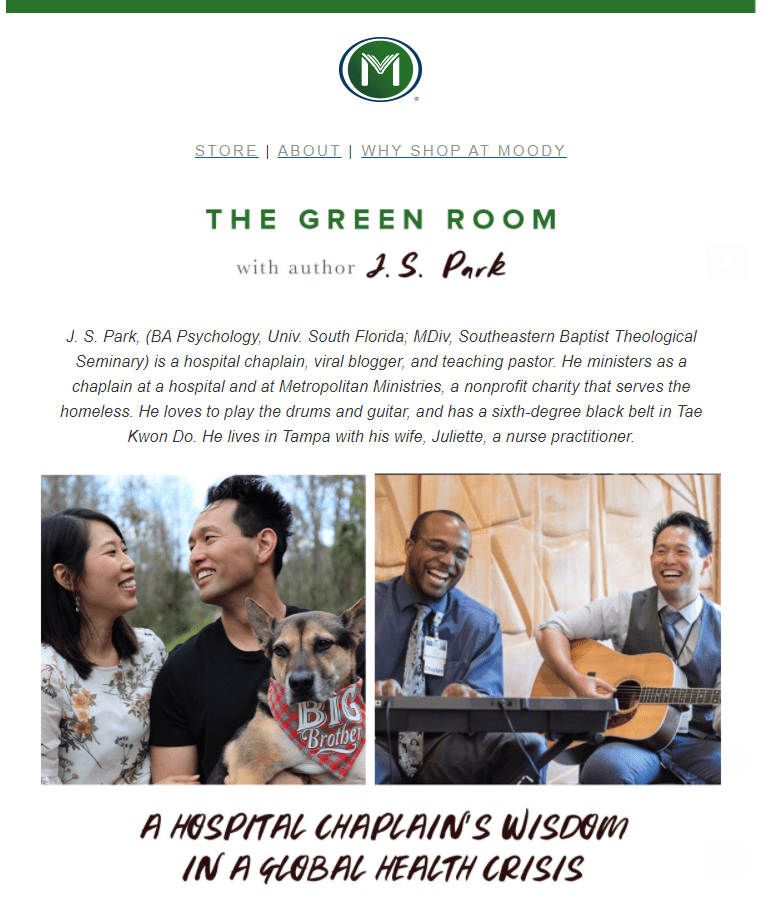
I was interviewed by my publisher Moody for their author series Green Room.
They asked me about my chaplain work, childhood, faith, my writing process, and my book The Voices We Carry, which is available in paperback, ebook, and audiobook.
With my publisher’s permission, here is the entire interview below.
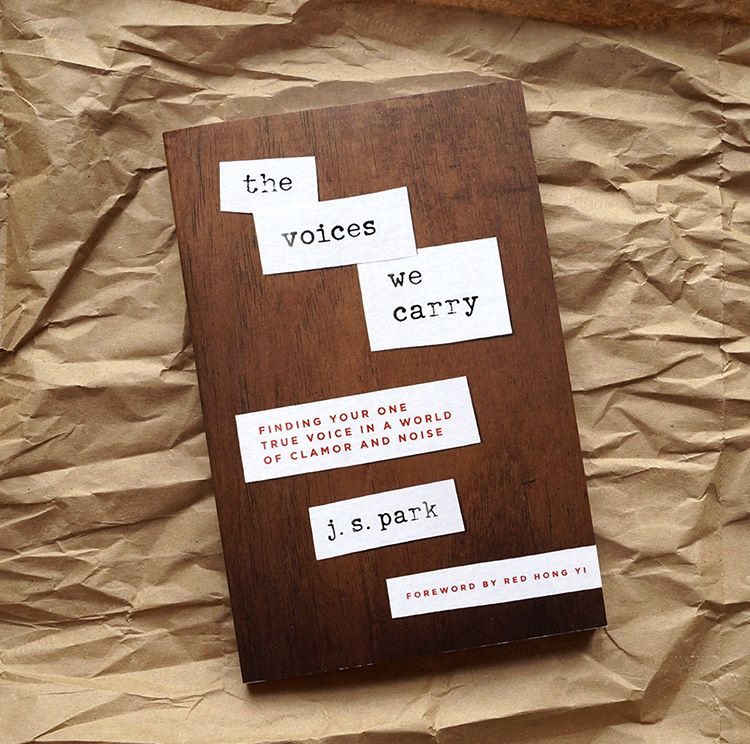
Happy day, friends! My book The Voices We Carry is officially released.
The Voices We Carry is about wrestling with our voices, such as self-doubt, people-pleasing, trauma, grief, and family dynamics, and finding our own voice in world of mixed messages. I talk about my hospital chaplaincy, what I learned from patients at the edge of life and death, and giving a voice to those who have been silenced—those like you and me.
The month of May is also Mental Health Awareness Month and Asian Pacific American Heritage Month. My book talks about the challenges of both. I believe that the more we can share our stories and make room for our many voices, the better we become.
God bless and much love to you, friends. Thank you for allowing me to speak into your life, faith, and journey.
— J.S.
The Voices We Carry is published by Northfield of Moody Publishers.
#MentalHealthAwarenessMonth
#AsianPacificAmericanHeritageMonth
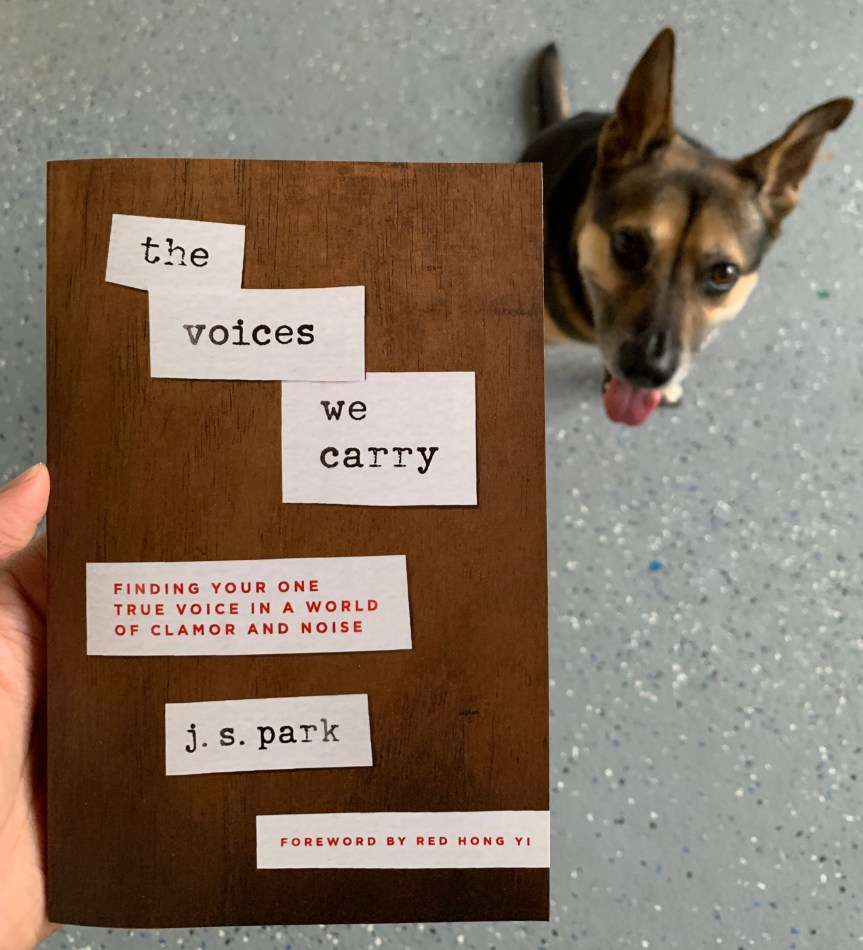
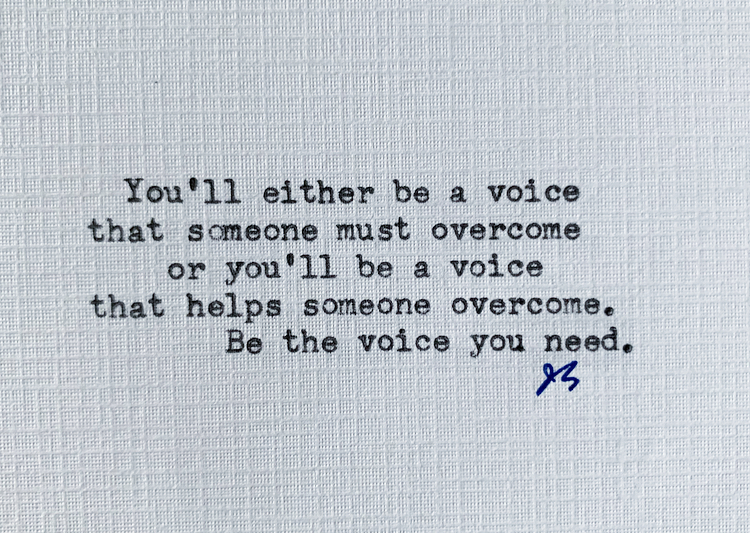
My book comes out on May 5th, in just a couple days. I’m grateful to so many.
I believe that no one is a self-made person. People enter our lives, whether for a second or a season or decades, and they support us. But perhaps more importantly, they speak into us.
I want to thank two people in particular. In grade school, I had a teacher that I’ll call Ms. Macklin. After we did a short story assignment, she took me aside after class and said, “You need an agent.” At first I thought she said, “You need an Asian.” Maybe she was telling me I needed an Asian friend, since I was the only one in the entire school. But she explained, “A literary agent. You know, to get your work published. It has to be published.”
Before this encounter, I had always wanted to be a writer. I had carried around a notepad since I was five or so. I wrote stories about the ducks at the local pond, especially about this one duck who had a lopsided wing. I made up an entire conspiracy about how the town was polluting the water and causing the ducks to be sideways. The twist: the ducks were fighting each other, and it was the violence that caused them to be lopsided (and yes, they eventually united to stop the pollution too).
Ms. Macklin believed in me. It was really the first time someone had commented on my writing. It put the bug in my ear: “It has to be published.”
In community college, I met Professor Marcus, who preferred to be called Rocky. She smelled like potpourri and was fond of wearing trench coats, probably made of hemp. She took me aside after class (this is a common tactic apparently), and told me, “I say this to everyone but I only mean it once in a blue moon. You have to be a writer.” Rocky coached me. That entire semester she poured into me: how to write, edit, edit, edit, simplify, clarify, amplify. It was hard. It was wonderful. Like an education at Hogwarts. What a gift she was.
Ms. Macklin and Professor Rocky are still a part of me. Their voice, the gentle way they corrected me, their kind way of saying hello when I entered. I was a lonely kid a lot of the time. But they made it bearable. And they made me a writer. Just thinking of them, my heart swells. Where would we be without the people who look us in the eye and with total confidence say, “You, you got the stuff, you got what it takes, and you, I even like you, and I like what you bring into the world” …?
I’m thankful. So thankful for the teachers, leaders, mentors, counselors, therapists, parents, random elders at the airport, the security guards who paused to chat, and the man who helped push my car out of the road after an accident in the rain: each of you made me a writer. I hope I spoke into you even a fraction of what you spoke into me.
I’m thankful for you. In a world such as this, you have been strength and beauty.
— J.S.
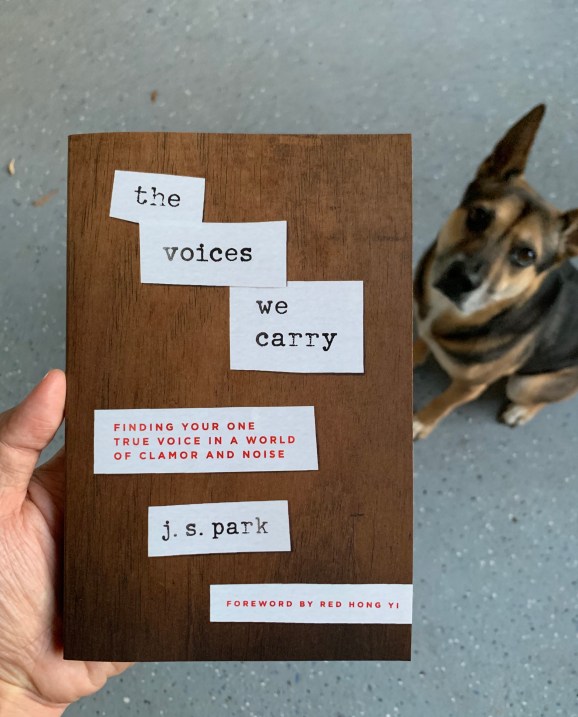
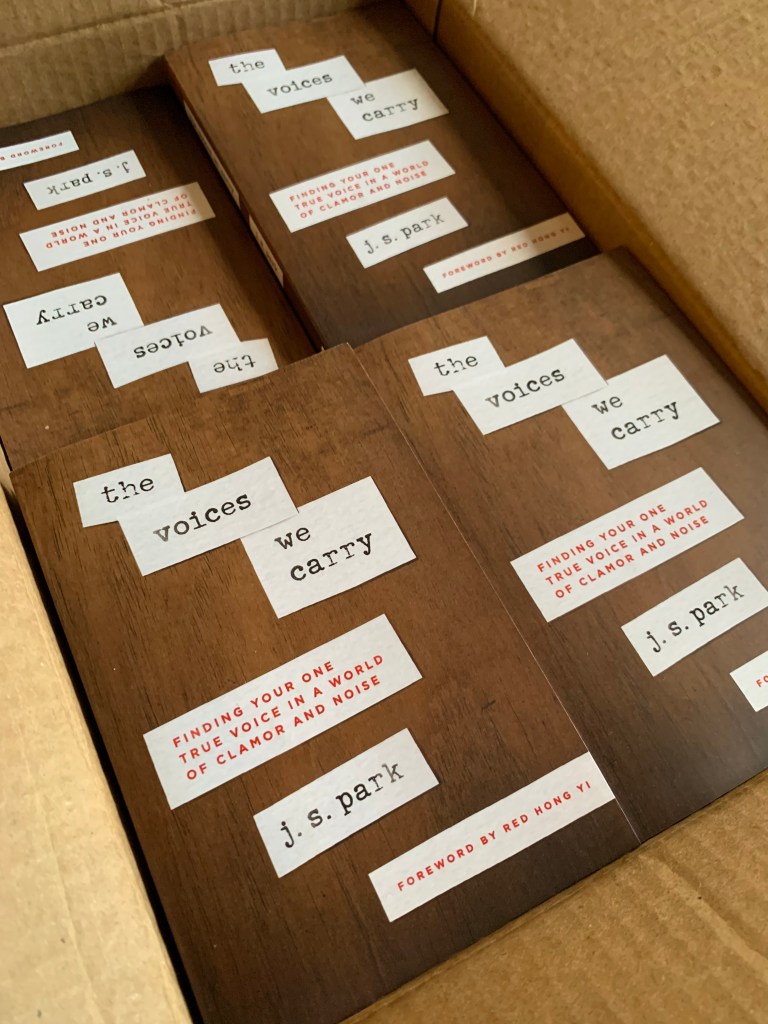
Good Friday to you, friends. My publisher sent my books early for me. It’s incredible and surreal to finally hold my book in my hands.
My book launch team is still open if you would like to help support the book release. You get an advance copy of the book, giveaways (like art by Red Hong Yi), Q&As, and live video chats: https://www.facebook.com/groups/thevoiceswecarry
You can also preorder my book here, which releases May 5th: https://www.amazon.com/The-Voices-We-Carry/dp/0802419895
God bless and much love to you, friends. All peace and grace be with you.
— J.S.
[Thank you, awesome team at Moody Publishers.]
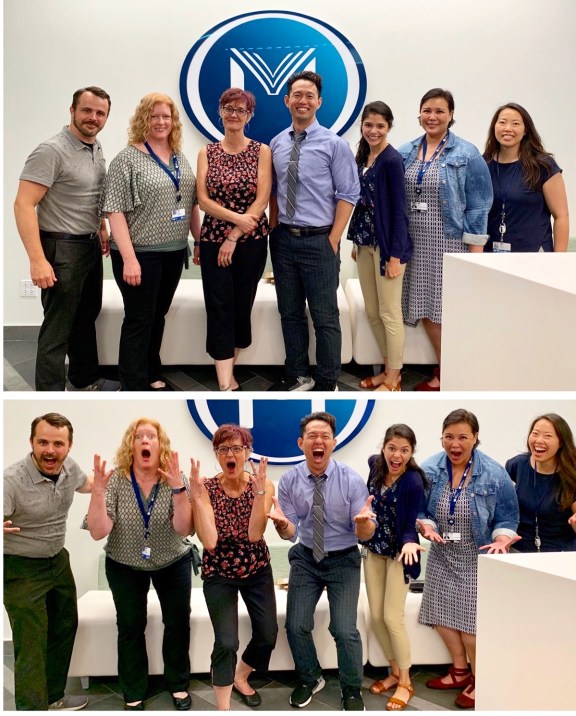
Hey friends! I’m excited to announce that a few months ago, I signed a book deal with Moody Publishers. I’ll be under their imprint Northfield Publishing, which also publishes the bestseller The Five Love Languages.
My book will be called The Voices We Carry: Finding Your One True Voice in a World of Clamor and Noise. I talk about wrestling with different voices including self-doubt, people-pleasing, trauma, grief, and family dynamics, and finding your voice amidst mixed messages. The book is also memoir-ish and goes through my journey as a hospital chaplain, my strange Asian-American upbringing, and constantly questioning if I’m wearing pants right now.
Along with my wife, parents, and brother, I’ve dedicated the book to my dear friend John Edgerton, who passed away a couple months ago.
I recently met the Moody Team in Chicago and they’re a fantastic, spectacular, and absolutely dedicated group of people. (I also got them to do the wow face.) I felt truly loved and heard. While they work with hundreds, even thousands of people, they spoke with me as if I was their one and only client. It’s not something you can fake. I really appreciate their push towards diversity and that they’ve given me the freedom to write with my whole self, no holding back, with the ugliest parts of my story. They championed and advocated for authenticity the whole way. I’m glad to be partnering with Moody and I can’t wait for you to read the book.
The release date is May of 2020, just nine months away. Be on the lookout for a launch campaign, for podcast and radio interviews, and for free content.
God bless, friends, and much love to each of you. Thank you for being a part of the journey here.
— J.S.
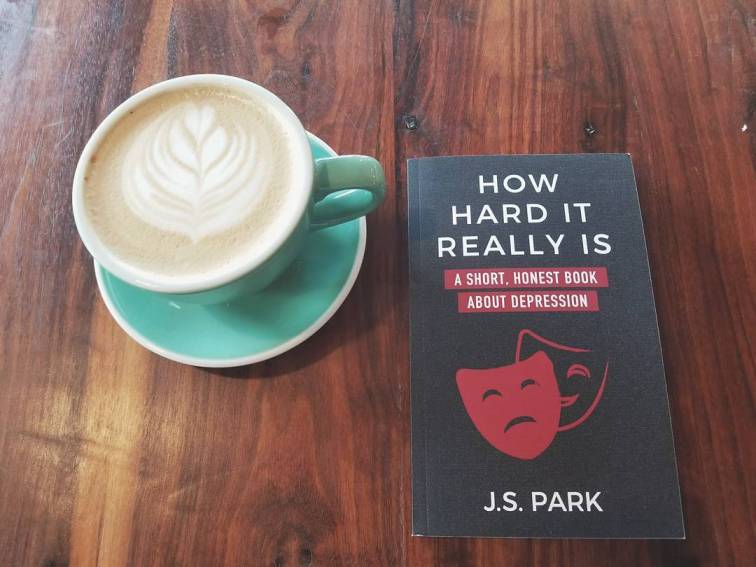
You’re going to find very quickly that when you’re depressed, nearly everyone’s got advice for you. Everyone thinks they know what’s best and what you ought to do.
It’s well-intentioned, and it’s not all bad—but in that very moment, when you’re in the colorless fog, those motivational one-liners are often tacky, tone-deaf, and untenable.
If depression robs you of your ability to logically comprehend and make sense of life, then any advice or solution is not going to reach into the heart of depression.
Both the church culture and pop culture endorse a sort of “powering through” because it really translates to, “I don’t have time to get involved with your struggle.” What’s really being said is: “Pray more and be positive so I don’t have to deal with you.”
Theology and wisdom have their place, but I suspect that we spout them to rush the hurting past their hurt, because it hurts too much to sit in their furnace. It’s a kind of reverse projecting: I can’t bear to look into my own uncertainty when I see yours.
My urge to offer advice has good intentions, but it’s also a way to offload the hard work of navigating the wound with the wounded. I offer a reason of certainty because it’s easier than traveling with the hurting in the uncertainty. It’s a way to protect myself from answering the unanswerable. I don’t like the silence because it makes me uncomfortable. I have to offer something or else it makes me feel helpless.
It’s the same reflex that happens when some of us see someone cry. “Don’t cry,” we might say, even though very often, crying is the only way to heal through the river of all we have held inside. I’ve found that when I say, “Don’t cry,” that’s about protecting me from discomfort rather than leaning into your hurt and healing.
So all my advice makes your pain, your tragedy, and your depression, about insulating me, instead of moving towards you.
You can do one from the rooftops, but the other means diving into the smells and groans of their misery.
It’s dirty. It’s work. And no one naturally wants to pay the high cost of navigating someone’s pain.
— J.S. Park | How Hard It Really Is
Photo by Chris Wright
 J.S. Park: Hospital Chaplain