Remembrance is resurrection.
An excerpt of my audiobook for As Long As You Need: Permission to Grieve. On remembering the dead and bringing them back to life.
Remembrance is resurrection.
An excerpt of my audiobook for As Long As You Need: Permission to Grieve. On remembering the dead and bringing them back to life.
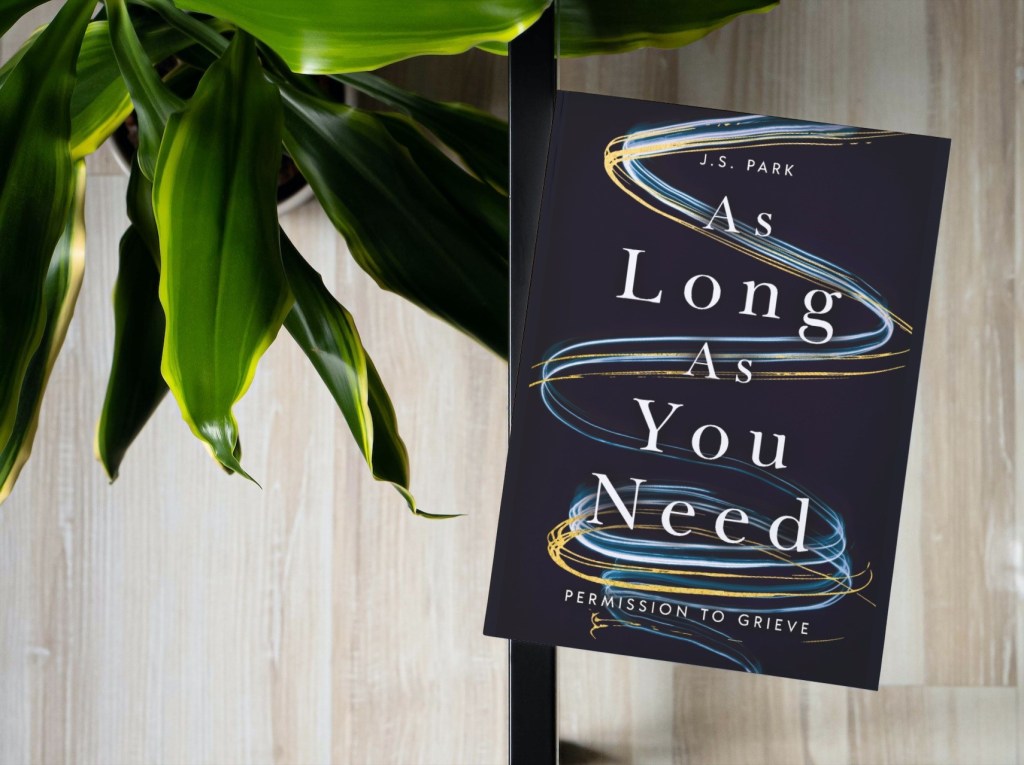
Book title and cover reveal:
• As Long As You Need: Permission to Grieve •
You can now preorder 
•
My book releases on April 16th, 2024.
It’s about grief.
I talk about my hospital chaplain work and multiple dimensions of grief, such as loss of:
/ dreams / mental health / autonomy / community / self-worth after abuse /
I dismantle myths about grief,
share stories from the hospital,
and share what I learned and unlearned from sitting with hundreds of patients.
And it is partially a memoir of my own grief: the death of my friend John, witnessing my wife survive PPD, witnessing the hardest losses on the frontlines, the loss of my faith (and coming back to it, sort of), and confronting my own history of trauma through EMDR. 
•
Second to last photo is my co-author. I always had an open door policy when I was writing. Any time she dropped in, I paused and spent time with her. She’d watch me write or ask me to read it to her or just vibe to the lo-fi. She now calls lo-fi “daddy’s writing music.”
•
Last photo is me after recording some of the audiobook. I didn’t get to narrate my last one (I was told I failed the audition). My new publisher assured me from the start that I’d get to record for this one. Very glad and grateful and honored to be reading my book for you. 
•
This book could not have been written without you. Online family. Your kindness, comments, messages, stories, and feedback were my strength as I took on this emotionally challenging work.
I’ll be doing a few readings randomly in April and May. Would love to meet you. 
•
A special thank you to Faith M Karimi, CNN digital senior writer, for writing the article about me and my work. I got a lot of interest in a book after the article. From phone calls at the hospital to hundreds of messages, I heard from so many sharing their grief stories. I’m reminded that even when it seems like grief is a scary topic, many of us really do want to talk about loss, death, and dying. In this very tough space, I hope to meet you there.
— J.S.
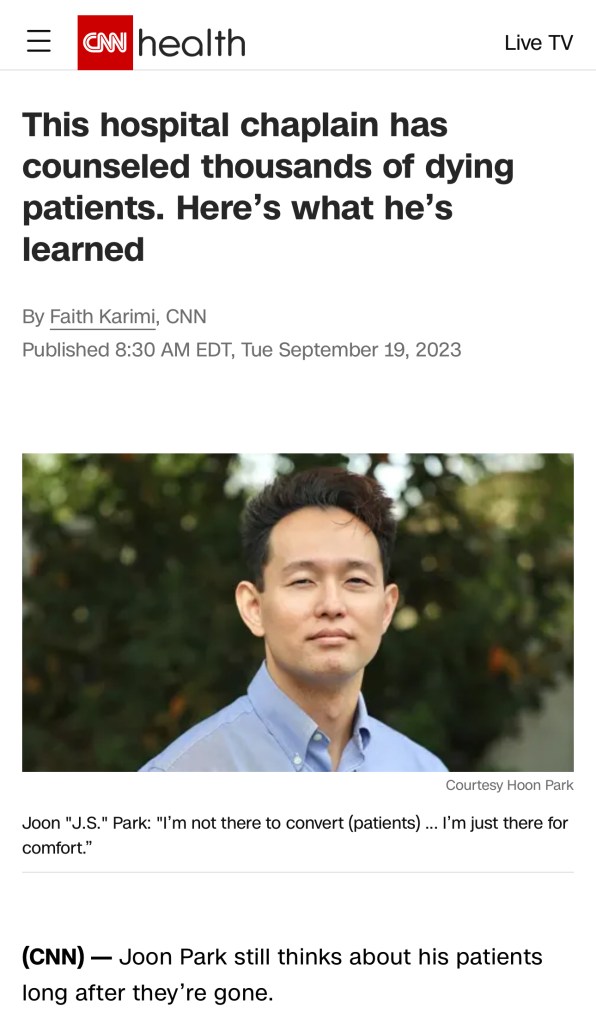
Hello online family. I am very happy to share that I was interviewed by CNN journalist Faith M Karimi about my hospital chaplain work. Thank you Faith for interviewing me and our amazing palliative physician Dr. Tuch about our care for our patients. Very grateful for my fellow chaplains and healthcare workers.
Full interview: https://www.cnn.com/2023/09/18/health/hospital-chaplain-lessons-wellness-cec/index.html
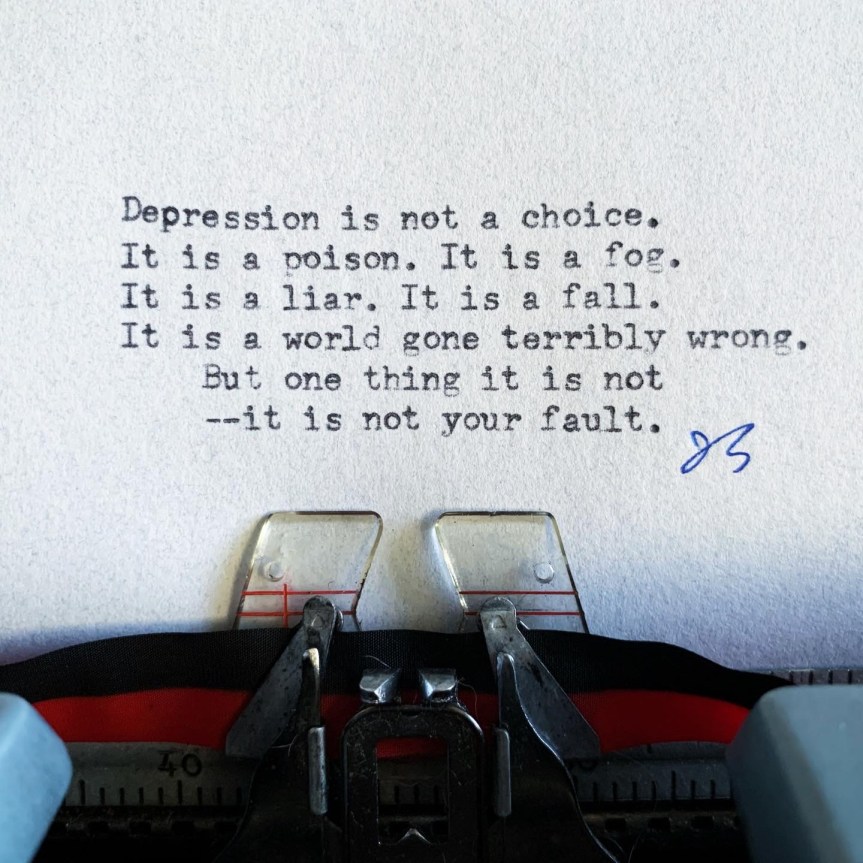
CW/TW
A year ago I began taking antidepressants.
Almost twenty years ago I tried to take my life. I spent three days hospitalized after ingesting half a bottle of pills.
Over ten years ago I fell into one of the worst depressions of my life. I was laughed at by the pastor of the church where I worked.
There was a time I would’ve been deeply ashamed to tell you all this. We’ve made a lot of progress on the stigma around mental health, but so many myths are still ingrained.
This year is the first time I’ve had entire weeks without thinking about suicide. I never knew it was possible. I used to think about it every single day. That was my norm. It still happens sometimes, but I don’t dread when it will. I also don’t dread happiness either. Antidepressants don’t suddenly make you “happy,” but they open the possibility that happiness is not attached to a trap door, small print, a karmic pay-off. It turns impossible into imaginable. For even a moment, joy becomes guilt-free.
A few months ago I managed to stopped taking medication for five weeks. But on week five, I spiraled out and went back on. I thought somehow I had failed. I knew that was objectively false, but that’s how deep the stigma goes. I’m finding it okay to be on medication for life, if I need it. And today, I need it. I’m thankful.
I don’t know if the next one will win. But I’m here. I’m still here. Thank God, I am here.
Thank you friends for your prayers, messages, stories.
You keep me alive too.
— J.S.
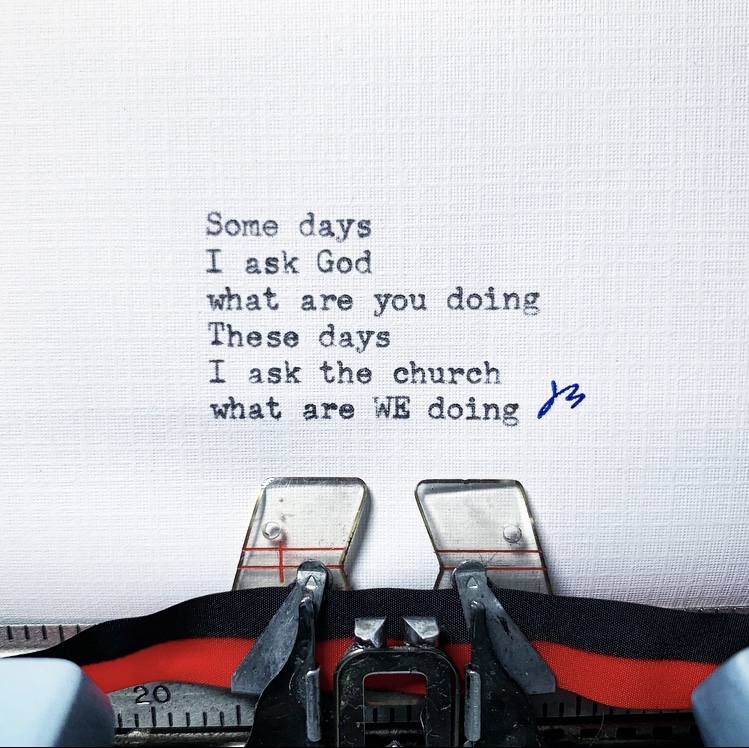
Disclaimer: Angry and disagreeable post to follow.
I’m still not over the American church of 2020 withholding comfort for pandemic anxiety, compassionate wisdom for masks and vaccines, and solidarity with POC—
but instead yelling election fraud and “my freedom.”
The church could’ve ended the pandemic in a summer and cut hate crimes by half.
Every Sunday of 2020, I was overwhelmed and hoped for a word of strength and wisdom. Instead the pulpit told me Black lives didn’t matter, masks were for cowards, and only far right Republicans could be Christians. Then had the gall to say “Don’t get political.”
I would’ve preferred the American evangelical church had said nothing, or at the least, “Let’s respect all sides.” Literally anything else. As someone who works in a hospital and is also a POC, mostly I felt embarrassment. Pastors in 2020 lived outside of reality.
I was told, “Not all pastors, not all churches, leaders, bosses, men”—
But we already know that. I’m grateful for good churches, especially now. But consider even one wounded person is 100% harmed and it matters to them. To say “not all” is to say “not me” which does nothing for those already harmed.
I was told,
“Just trust God.”
But God is all I trusted, especially in this lonely season.
I was told,
“Don’t look to people, look to God.”
But this was a complete cop-out, and I saw where God was looking: to the people.
I was told,
“Stop badmouthing the church.”
But not keeping leaders accountable was literally badmouthing the victims, the church.
I am grateful to the remnant who cared for these wounded. For the healthcare workers, therapists, and clergy over the last twenty-one months who have put compassion over conspiracy. For me, the wound is still too deep. I grieve the vision of what I knew the church could be and hardly was. I grieve knowing maybe this was who many churches really were. I grieve the many leaders I admired who were fooled. I grieve my optimism and complicity.
I’ll say it again. If your faith is making you a jerk, throw it out and start over. If Scripture is your guide, it must move us to justice, to be more kind. Otherwise it’s not what Jesus had in mind.
Over and over I heard stories of people wounded in church by abusers, predators, and political opportunists who worshiped a party over people. Pastors fired for not lifting up Trump. Victims who came forward to their pastors and were shut down or further abused. POC who needed hope and were told, “Calm down, God is in control, don’t worry about it, here’s a guest speaker who’s Black.”
I will never understand how Christian leaders are quicker to defend their denominations over the abused. The church isn’t some institutional concept that needs defending. The church is the people who needed our defense, the ones abused by leaders lording the institution.
When far right evangelicals throw insults because I talk about justice, masks, mental health, and fighting misogyny and racism, it is assumed I am “not in God’s Word.” I can assure you: the work of justice is straight outta the Word of God. Not a brag, but I’ve read the thing a lot. Six times now going on seven (not that the number matters; the words are there for anyone to read). Each time spoke differently. But on justice? That has always been the heart of God. Scripture, if anything, is the fuel for talking about these things. About the wounded.
My faith has changed a lot over the years, especially after becoming a chaplain. I am a witness to suffering around the clock. One of the truths that remain: the Bible is precious to me, which is why people are precious to me. Scripture calls me to see fully. And I hate when it’s used to abuse. It is *for* the abused. Even in the worst of my doubt and disappointment, Scripture calls me to compassion. Never less.
— J.S.
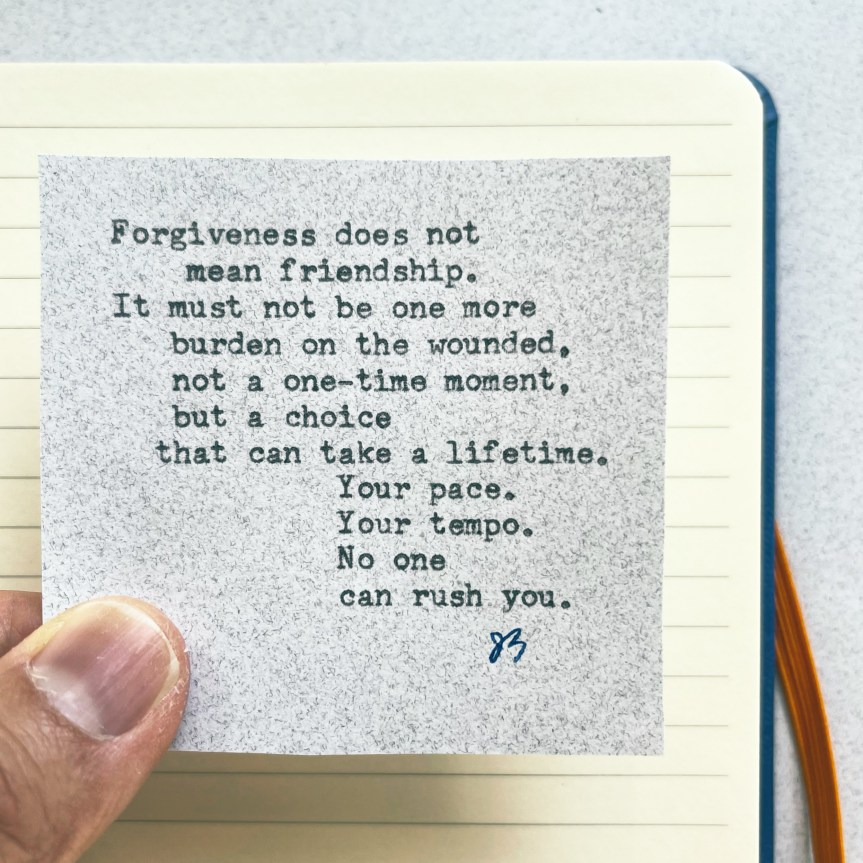
Too often forgiveness is a burden on the wounded. Instead the imperative of accountability must be on the abuser.
When I’m told to forgive, I think about
my math tutor when I was barely twelve years old, who shouted in my face and dug his fingers in my shoulders
a grown woman who beat me for “misbehaving” at a public pool when I was seven
students who randomly assaulted me in school calling me racial slurs
the thousands of hate crimes and murders both reported and unrecorded against POC
the dozens of stories I’ve heard from patients assaulted by their most trusted people.
But I’m told to just let go. “Forgiveness is a gift.”
Is it? How is it a gift to remove this knife from my gut that never should’ve been there? Why is abuse became the abused person’s problem to solve?
Forgiveness is powerful, yes. On the other side there’s freedom. But when forgiveness is demanded of a victim in a bad power dynamic—who benefits? Abusive people and systems often act in a remorseless repetition of violence. It’s that very violence which keeps power and profit.
I have learned it is more wrong
not to be angry at injustice.
Why demand the wounded
to be level-headed, neutral, watch their tone, to grow, be resilient, be the example, take the high road?
Sometimes the high road
goes right off a cliff.
Inside anger
I hear the voice of grief
because the abused person
had their life interrupted
and never asked for an apology
—they needed honor for their dignity.
Here are some of my rules on forgiveness.
1) Forgiveness does not mean friendship.
2) Forgiveness is a daily choice that can take a lifetime.
3) No one can rush your forgiveness, ever.
4) You can be angry while forgiving.
5) Forgiveness does not negate justice.
6) If you have been abused and traumatized, then forgiveness is not a prerequisite for your recovery. To make forgiveness a burden on the abused only enables the abuser. It also mocks the abused. To skip anger is to bypass pain and therefore true recovery.
7) Do not make forgiveness an imperative burden to force a romanticized outcome of “peace,” especially on the abused and oppressed. All you’ll do is guilt trip already wounded people into a false truce.
— J.S.
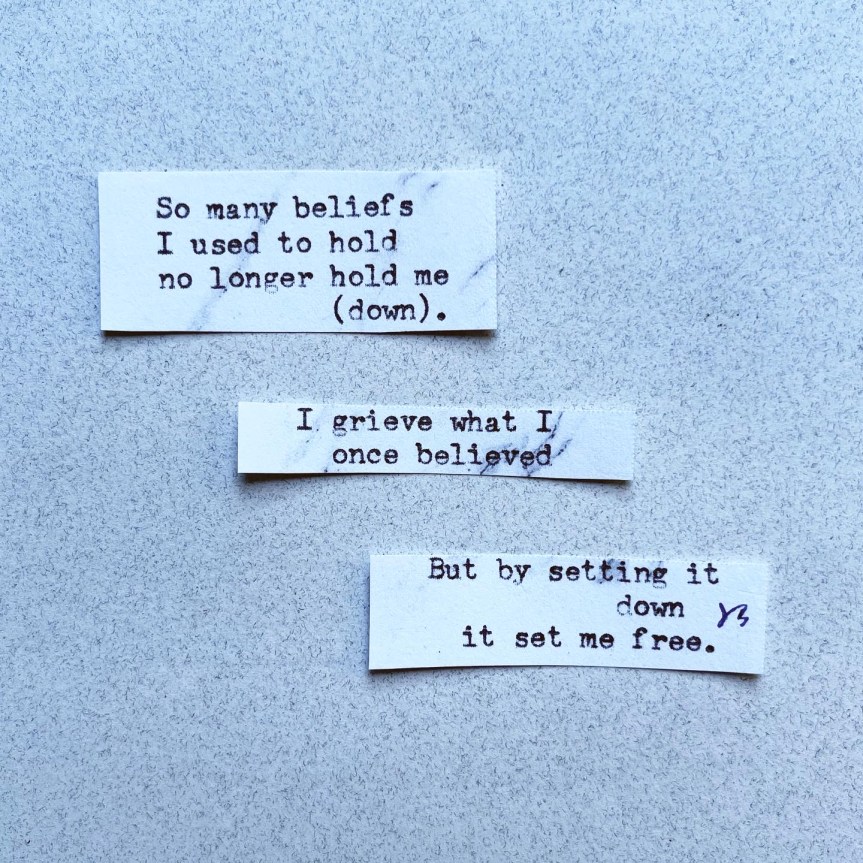
What do you no longer believe?
What are old beliefs you grieve?
I used to believe
all anger was wrong, so I was the captain of the tone police—
until I discovered politeness is not rightness, that anger is not always hate, but hurt, and to be loving is to be fiercely angry at injustice.
I used to believe
forgiveness meant friendship and even a flicker of pain meant I hadn’t forgiven my abusers—
but I found I can forgive from afar, over a lifetime, and that the pain was not my lack of forgiveness but how deep the wound was carved.
I used to believe
that death could bring people together—
until I saw covid take hundreds of thousands of lives and not even their deaths could evoke compassion,
until I saw refugees ceaselessly die in the headlines and too many justified their demise.
I used to believe
that god was American, homophobic, emotionless, and secretly disappointed in me—
until I found God had a vision of grace far greater than our sight, an imagination that far outweighed mine.
I used to believe
my value was found in my usefulness and contribution,
instead of inherently being human,
in an irrevocable Image.
I used to believe
every pain had a purpose, a connect-the-dots lesson, a fire to refine us, a reason to teach us—
until I saw pain is pain, it is not mine to explain, and maybe the only reason it happened was evil and abuse and systems that need to be unmade.
I used to believe
my depression was from a lack of prayer or faith or moral grit or fortitude—
but my mental health only lacked the help I needed and I found that therapy and medicine were not giving up, but giving life.
I used to believe
those who looked like me chose to be silent and passive—
except we were not silent, but silenced, and we had always spoken up despite this.
I used to believe
we could never unravel lopsided power dynamics and racist systems—
until I saw heels in the dirt making moves insistent, for years they had woven new stitches by inches.
I used to believe
everything I believed
was so certain.
I grieve my certainty
but I trust the mystery, to know
there is always more unknown.
Being “right” is to be alone,
but in discovery
we walk each other home.
— J.S.
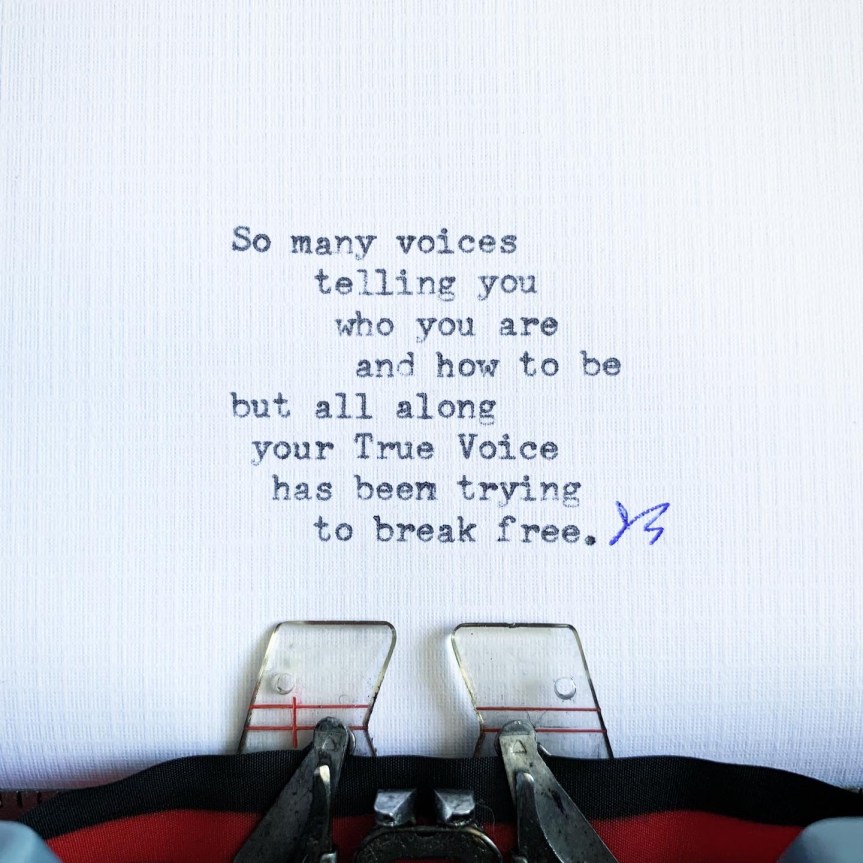
These last few week I’ve been reading about the many assaults against Asian-Americans, and I was hit with a lightning bolt of a memory I had nearly forgotten.
It is my very first memory. I was four on my first day of preschool. The only Asian in class. I didn’t speak English. When the teacher found out, she forced me to sit in the corner all day. She told me not to talk or turn around. I wept the entire day.
My mother, when she picked me up, cussed out the teacher and switched me to another school. But it was too late. A year or two later, as I learned English, I lost much of my Korean. The trauma destroyed my native language. My tongue had been burned of its millennia of heritage in my still-forming mouth.
To this day I can still understand Korean just enough, but when I try to speak I get tongue-tied. A block. It is apparent why. My voice was strangled. A teacher failed her “non-compliant” student. A system allowed racist violence against a child. A teacher did not understand she had a non-English-speaking American in her class, and instead of including him with even the smallest gesture, simply cut him off in a corner. The teacher was a cog in a system not funded with resources to equip their educators. That child never had a chance.
Our voices are still strangled. When I am yelled at violently in traffic because “Asian driver.” Spoken very slowly to by a cashier. Spoken over constantly in meetings. When people I supervise don’t take me seriously because they are not used to an Asian in the lead. When Asian jokes are told with zero hesitation. When people who look like my father go on a walk and are killed.
I realize I am lucky. My experiences are not as bad as others. My pain though, like any pain, is still pain. And I am not tougher for what I have gone through. I was made less. I was stripped of my home tongue. But no: I will not be stripped of my voice. It will not be taken. We each have a voice, gifted by God, just the one we are given. You have a song and it must break free. You have a microphone to pass to a young uncertain child, that they may sing too. Your voice. Speak. Your voice will carry you.
— J.S.
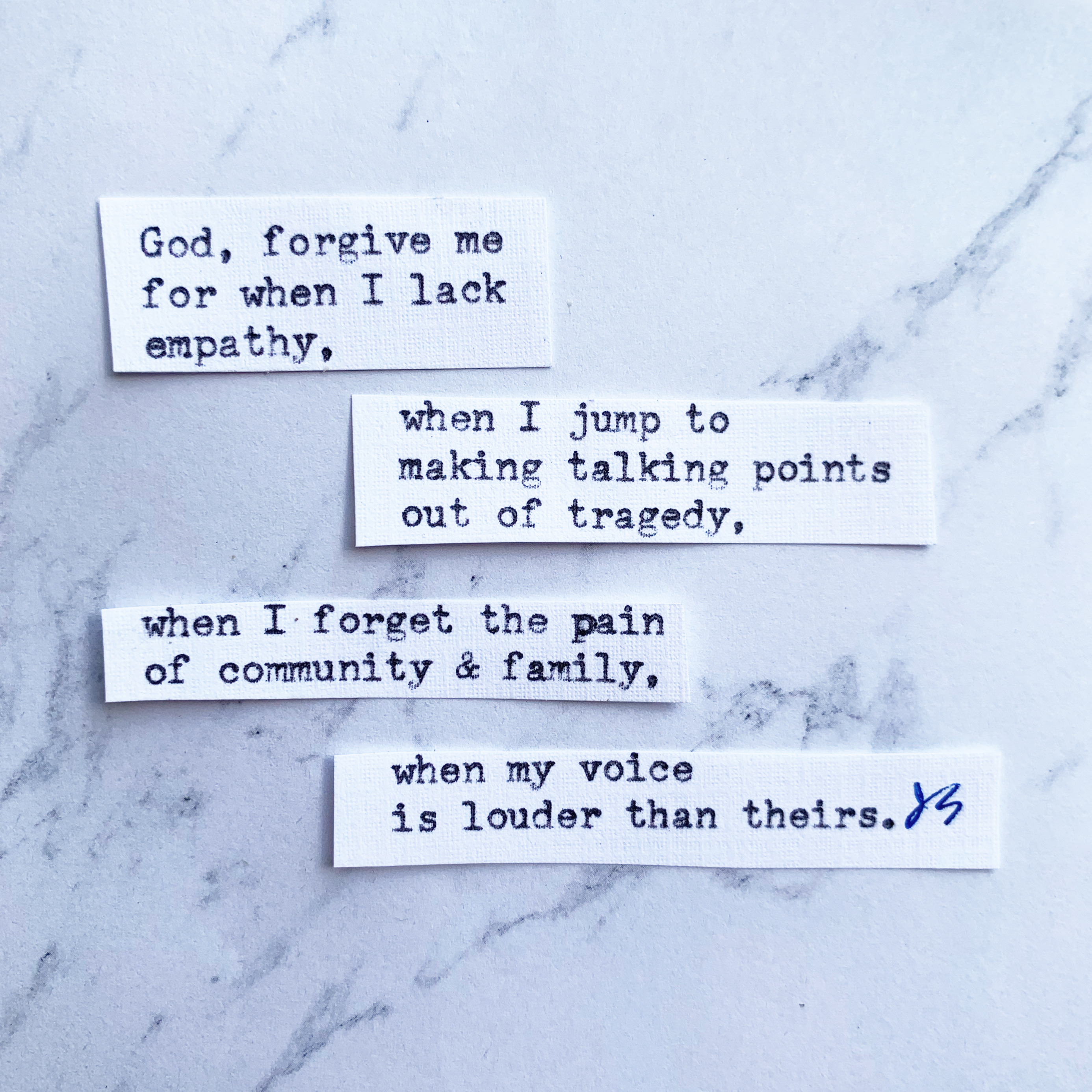
I never want to politicize, moralize, or spiritualize someone’s pain.
I am always on the side of the wounded. Where there is loss, I am for the bereaved. Where you are hurting, I want to bring healing. Anything less is making us less human and not more.
It would take only a few seconds to consider the other person’s pain and perspective and point of view. That has the power to heal. The only cost to empathy is losing bigotry, self-righteousness, and pride. Empathy is that good.
It should never be on the wounded to explain their pain, defend their injury, or to forgive over and over the injustices that never should’ve happened but keep happening. Even if your hurt is not my hurt: because you’re hurting, I hurt too.
I want to empathize first, to listen first, to grieve first, and to be angry and to weep alongside. Not lecture, lessonize, or minimize. I don’t want to add burdens, nor demand explanations, nor kick you while you’re down. I want to crawl down there with you.
I cannot understand the hasty, vicious speed by which real hurting people are turned into talking points. I don’t mean the platforms for justice. I mean the ones that degrade and deny. I cannot understand the evil scorn and jeering and mockery: there is no honor in desecration, but only violence to the soul. And while I do not believe we must be forced to give our opinion all the time—so often the silence is chilling, and apathy can be the most destructive force of all.
May I never lose sight of the wound and the wounded. May God forgive me for when I wasn’t listening, for not getting it right. Above all, I must grieve. Through tears, prayer, and action, I grieve with you.
— J.S.
#AhmaudArbery
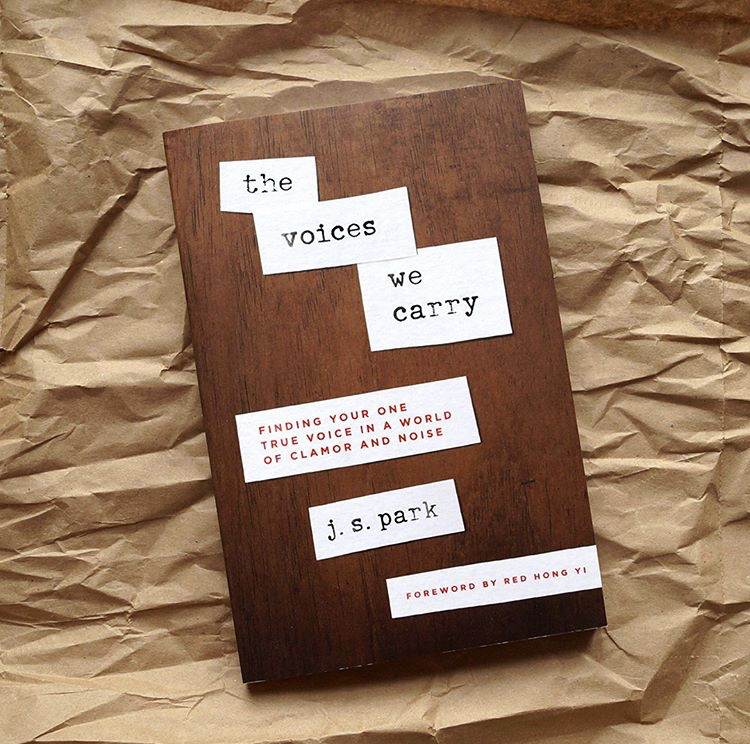
Happy day, friends! My book The Voices We Carry is officially released.
The Voices We Carry is about wrestling with our voices, such as self-doubt, people-pleasing, trauma, grief, and family dynamics, and finding our own voice in world of mixed messages. I talk about my hospital chaplaincy, what I learned from patients at the edge of life and death, and giving a voice to those who have been silenced—those like you and me.
The month of May is also Mental Health Awareness Month and Asian Pacific American Heritage Month. My book talks about the challenges of both. I believe that the more we can share our stories and make room for our many voices, the better we become.
God bless and much love to you, friends. Thank you for allowing me to speak into your life, faith, and journey.
— J.S.
The Voices We Carry is published by Northfield of Moody Publishers.
#MentalHealthAwarenessMonth
#AsianPacificAmericanHeritageMonth
 J.S. Park: Hospital Chaplain