
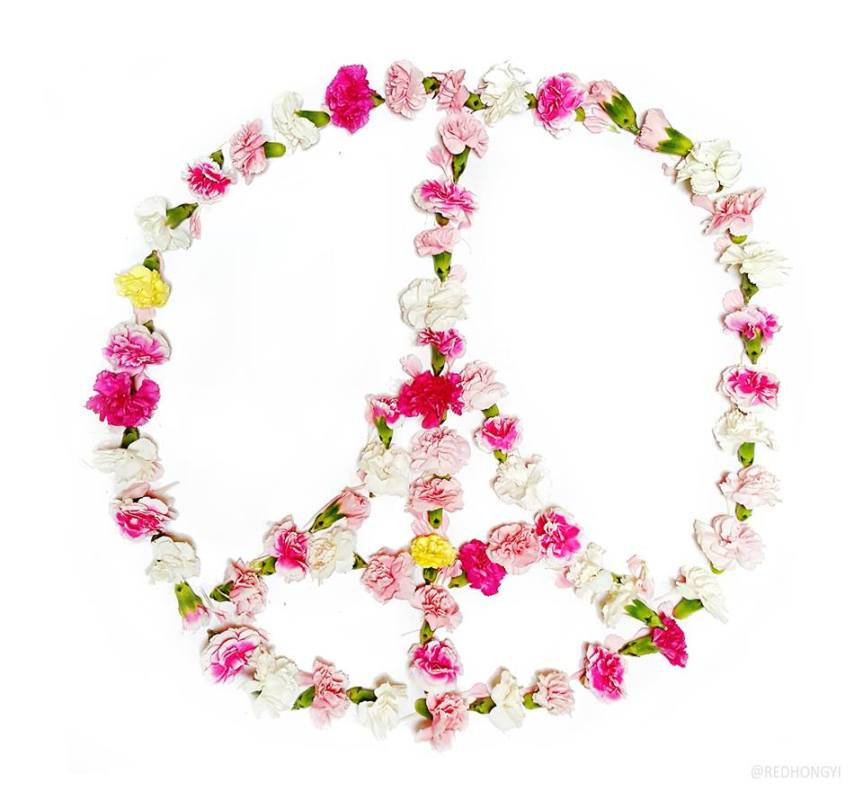
To those who are saying, “France is a big deal but it’s getting more coverage than other tragedies” — I would humbly and kindly ask to look up the Fallacy of Relative Privation.
It’s possible that we can care about one tragedy without pitting it against another (which is just crazy, when you think about it). Saying “Well what about __” doesn’t address the original problem and ultimately dishonors the real human lives we lost in all of them.
It’s possible to educate others and bring awareness of what’s neglected without condescending or competing by numbers.
It’s possible to both pray and donate; there’s enough time in the day for both.
It’s possible just to grieve and be angry and weep right now instead of using tragedy as a platform for politics or a spiritual lesson or a moral epiphany (and I realize I’m in danger of doing the same — yet I’m truly grieving, too).
Neglecting to say something on social media is not equivalent to apathy, and mentioning something on social media is not equivalent to empathy. It’s also unfair to be guilt-tripped by either. It’s okay if you don’t accordingly change your profile picture. It’s also unfair to accuse someone of being shallow if they change their profile picture.
It’s impossible to boycott everything and protest everything and raise awareness on everything, as much as we’d like to. By the time we figure out one problem, another comes along. It’s a fruitless exercise and only spreads us thin: and much better to use our limited resources and individual gifting and unique voices to deeply care about a few things as best as we possibly can. It’s possible to fully invest in one or two, and that’s how movements start.
There are many, many ways to care. We need all of them. There’s not enough time to care about everything, but there’s too much time wasted on nothing, and if each of us could care deeply about some things, we could find each other and cover almost everything.
— J.S.


 J.S. Park: Hospital Chaplain